Dog
Breeds Info
Information on Dog Breeds from A
to Z
|
|
||
Find Out Information About Over 150 Dog
Breeds
|
 |
When choosing the perfect dog for you and your family, there are some important points to consider. Knowing the personalities, traits, care required and other details will help you choose the dog that's just right for you. Before you start reading information on different dog breeds, look over the important factors below.
The Dogs Temperament
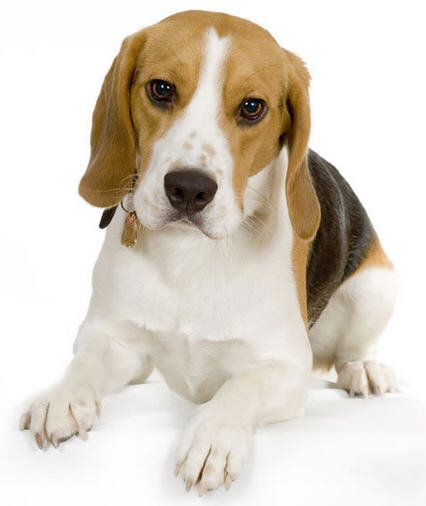 Different breeds of dogs have different temperaments. The breeds background has
alot to do with their temperament today. As breeds were formed for desirable physical traits, their behavior
and temperament were also built in. When you are looking to add a new dog to your family, it's important to
know the different temperaments that each breed has. Each dog will be different, they could be active,
affectionate, determined, fearless, good natured, protective, independent or shy. Some temperaments make dogs
easier to train and some make them harder.
Different breeds of dogs have different temperaments. The breeds background has
alot to do with their temperament today. As breeds were formed for desirable physical traits, their behavior
and temperament were also built in. When you are looking to add a new dog to your family, it's important to
know the different temperaments that each breed has. Each dog will be different, they could be active,
affectionate, determined, fearless, good natured, protective, independent or shy. Some temperaments make dogs
easier to train and some make them harder.
The natural instincts of the breed will play a big part in how the dog acts. Depending on the breed and temperament, your dog may be energetic and friendly or she may be shy and independent. Understanding the personalities and traits that come with the different temperaments is important to understand so that your dog matches what you are looking for. Another important thing to keep in mind is that not all dogs have temperaments similar to their breed. A lot of it has to do with how the dog is was raised as a puppy, how much exercise they got and if their owner showed leadership to guide them.
Upkeep Required
 Most dog breeds require far more exercise then people are willing to give them.
If your life revolves around work and you are not able to give much attention to your dog then its probably
not a good time in your life to get one. There are no breeds that do not require exercise. Most dogs would do
a lot better with more exercise, but usually get by on less. You don't want to push the dog really hard, but a
lot of them have enough energy to go on for quite awhile. Puppies require far less exercise, as well as older
dogs. Pushing either of these types of dogs too hard could cause irreplaceable damage.
Most dog breeds require far more exercise then people are willing to give them.
If your life revolves around work and you are not able to give much attention to your dog then its probably
not a good time in your life to get one. There are no breeds that do not require exercise. Most dogs would do
a lot better with more exercise, but usually get by on less. You don't want to push the dog really hard, but a
lot of them have enough energy to go on for quite awhile. Puppies require far less exercise, as well as older
dogs. Pushing either of these types of dogs too hard could cause irreplaceable damage.
Dogs are very social animals. They need that close bond with a family to become good companions or guardians. All dogs should be given access to the home and family and not forced to live a solitary life outdoors. This can cause behavior issues such as aggression.
Different dog breeds also require different levels of grooming. Coat care is something that a lot of dog owners have initial good intentions of keeping up, but seldom do. Some dogs require professional grooming which can be expensive and stressful for the dogs. Beyond full grooming, some basic grooming needs to be done for all breeds, such as occasional bathing, ear cleaning, tooth care and regular nail clipping.
Good Around Children?
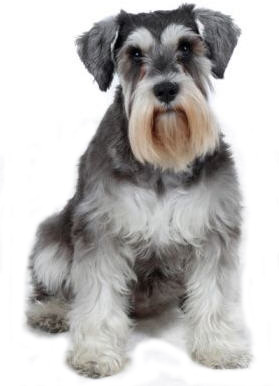 Most dogs are great around children, but there are some things you want
to be aware of. A dog's behavior is going to be the product of the breeds temperament and the way they were
raised. If the dog was trained using force or being hit, then it may be prone to aggressiveness. If the dog
was raised by a kind owner that gave the dog a lot of love and positive reinforcement then it will most likely
have a friendly and loving disposition.
Most dogs are great around children, but there are some things you want
to be aware of. A dog's behavior is going to be the product of the breeds temperament and the way they were
raised. If the dog was trained using force or being hit, then it may be prone to aggressiveness. If the dog
was raised by a kind owner that gave the dog a lot of love and positive reinforcement then it will most likely
have a friendly and loving disposition.
Another thing to think about is the energy level of the dog. If you are looking at a highly energetic dog like a Jack Russell Terrier, be aware that these type of dogs may jump up and unintentionally knock a child down. This can be very dangerous for very young children. The dogs just want attention and are so excited that they may jump, run over or playfully bite children. The risk for this can be lowered with positive reinforcement training over time, but puppies or untrained adult dogs may exhibit this behavior in certain breeds.
Long Hair or Short Hair?
 There are not any dogs that do not shed. All dogs lose their hair, some more
than others. Some dogs with curly hair like Poodles lose their hair but it gets stuck in the other hair. So it
may seem like they shed less, but they really shed the same amount. Among the heavy shedders are German
Shepherds, several of the Terrier breeds and the Husky. Some dog breeds that shed very little are Poodles,
Schnauzer's and Maltese.
There are not any dogs that do not shed. All dogs lose their hair, some more
than others. Some dogs with curly hair like Poodles lose their hair but it gets stuck in the other hair. So it
may seem like they shed less, but they really shed the same amount. Among the heavy shedders are German
Shepherds, several of the Terrier breeds and the Husky. Some dog breeds that shed very little are Poodles,
Schnauzer's and Maltese.
Most people are allergic to the dander (dead skin) that falls from dogs and not their hair. A lot of people try to avoid the dogs that shed the most, fearing that they will have a strong allergic reaction. There are several things you can do to minimize the allergic reaction you experience. You can give your dog a bath using special shampoo that lowers the allergic effect of their dander. You can place air purifiers in rooms that you spend the most time in. Being allergic to pet dander can be annoying, but if you can do these things to minimize the effects, it really is worth it. A dog can bring a lot of joy and love to a family so it can be worth some small allergic reactions.
Health Concerns
 Most dog breeds have certain health concerns that commonly affect them. Not
all dogs of the breed will experience these health problems, but they are more commonly affected then other
breeds. When dogs were selected to make a breed, they were chosen for desired traits and characteristics.
Sometimes in this small group of dogs, one would carry a gene that could cause a certain health problem. This
gene would be passed on to all of the dogs in the breed, giving them the possibility to experience the health
problem.
Most dog breeds have certain health concerns that commonly affect them. Not
all dogs of the breed will experience these health problems, but they are more commonly affected then other
breeds. When dogs were selected to make a breed, they were chosen for desired traits and characteristics.
Sometimes in this small group of dogs, one would carry a gene that could cause a certain health problem. This
gene would be passed on to all of the dogs in the breed, giving them the possibility to experience the health
problem.
Not all dogs of a breed with health concerns will have these problems, but it's important to know this information and factor it in on your decision. Most dogs will go on to live a happy and healthy life, never experiencing any major health problems, but it's possible. Most major health concerns for a breed are reported to occur in 10% or more of the individuals within a breed. For example, the Labrador Retriever is known to experience Canine Hip Dysplasia (CHD), elbow dysplasia and obesity. Again this does not mean all dogs of this breed or even most dogs of this breed will experience this problem, but it's more common among them. Use the information to help you be aware of possible future health concerns but don't make your decision based off of it alone.
New Dog Articles
Being Able to Sense When Your Dog is Sick
Telling the Difference Between Playfulness and Aggression
What to Do if You Are Attacked By a Dog
Learning to Live With a Dog When You Don't Want To
Why You Should Get Your Dog Fixed
Things to Consider When Moving While Owning a Dog
Calming Your Dog Around Thunder
Should You Feed Your Dog a Raw Food Diet?
Foods to Keep Away From Your Dog
Shock Collars and Electric Dog Fences
Dealing With Your Dog's Ear Infection
Why You Should Check for Corn in Your Dog Food
To Breed for the AKC Standards or Not
Why Don't Some Dogs Like Strangers?
Why You Really Shouldn't Feed Your Dog Scraps
Dealing with your Dog's Sleeping Habits
Most Popular Dog and Puppy Names of 2011
Training Your Dog to Walk with a Leash
Useful Information for Dog Breeding
Things to Consider Before Buying a Puppy
Tips to Maintain a Healthy Dog or Puppy for Life
The Options for Paying Those Costly Vet Bills
Dog First Aid: How To Treat Wounds and the Supplies You Need
Three Main Keys to Owning a Healthy and Happy Dog
Where You Should Look to Find Your Puppy
5 Tips To Managing Shedding Dogs
How to Stop Your Dog From Jumping
When To Euthanize Your Dog: Making The Decision
5 Useful Tips For Dog Paw Care
Overweight Dog? The Doggy Diet
Brushing Dog Teeth: A How To Guide
5 Ways To Exercise With Your Dog
Dogs and Fleas: How to Treat Your Dog's Fleas
Children and Dogs: Is your Child Ready For a Dog?
Clipping Dog Nails: A How To Guide
5 Tips For Dog Show Preparation
5 Common Household Toxins and Your Dog
Buying a Dog From a Rescue: What To Look Out For
Teaching Your Dog To Speak, Not Bark
Should You Buy From A Puppy Mill?
Reasons to Choose Organic Dog Food
The Best Dogs for Senior Citizens
|
Copyright 2010. All Rights
Reserved.
www.dogbreedsinfo.org Custom Dog Socks